Early Times Bourbon
Domaine Auguste Clape
Renaissance Cornas Syrah 2016

Il Marroneto
Brunello di Montalcino Sangiovese 2001


Opened a few hours prior to service and enjoyed with dinner over the course of a couple hours. The 2001 pours a deep garnet color with a near opaque core; medium viscosity with no staining of the tears. On the nose, the wine is developing (still!) with notes of Morello cherry, raspberries, red flowers, oolong tea, leather, and dry earth. On the palate, the wine is dry with medium+ tannin and medium+ acid. Confirming the notes from the nose. The finish is long. The Il Marroneto only gained power with time. Looking back on my notes, the last time I had the 2001 Classico was nearly ten years ago (and I had enjoyed it a few times before that). Since then, I’ve learned a lot about the aging arc of Sangiovese and those experiences were just entering the early drinking window for the 2001 Il Marroneto. This is where I really like them. Drink now with patience and plenty of air and through 2036. Bottle No. 6064 — a year ago

Domaine François Cotat
Chavignol Sancerre Pinot Noir Rosé 2007
When I went to open this wine for a friend who contributed to my wine education during the early years he immediately said, "Not until it was at least a decade on .” I shrugged my shoulders and buried it. I understand now. I had concerns as there was something floating around in the bottle. In the mouth it felt 3-D but never heavy. Flavors of watermelon , peach , red berries, and flavors quite frankly I had never experienced in a wine or could identify. At times it showed like a cocktail one would get on the beach , at other times like a complex sour ale. I feel confident in its youth it had a higher level of sweetness but like a great Riesling it perfectly integrated. A lingering juicy finish. I realize this wine would not be for everyone but for me one of my most memorable wine experiences and what I love about wine.. Honestly, my score is irrelevant. — 5 years ago


Château Verdignan
Haut-Médoc Red Bordeaux Blend 2003
I have mentally thought about doing this post for quite awhile. Opening this 2003 Verdignan brought on the appropriate moment. I am a believer in paying respects and it’s the basis of this post.
We learn to drink certain wines from the regions we live near or from the people we learn & enjoy wine with as we walk the road to understanding what we really enjoy. I started as an exclusive CA Chardonnay drinker for many years before moving on to nearly every varietal and regions offer. Next was Napa Cabernets which, led me to my true love, red Bordeaux. It was a bit of curve getting there but, once I had them with proper aging, I was hooked for life.
While my curiosity got me to Bordeaux wines, there one person that helped shape my Bordeaux palate and I agreed with more than anyone else’s, including every well known wine critics at that time and even today after spending 10 weeks learning from several Master Sommeliers on my way to passing the Court of Master Sommeliers exam and becoming a Sommelier myself. This person is Clyde Beffa Jr., Owner of K&L Wine Merchants.
Clyde has been traveling to Bordeaux for over 40 years and sometimes multiple times in a year. His palate and experience are second to none. Especially, when it comes to Bordeaux.
I owe him a lot. He taught me the importance of letting good Bordeaux’s age 20 years plus. What were the jewel value producers. Brought in Bordeaux wines direct from the Chateaus that had 10 years of bottle age and older. Bordeaux’s that critics did not like young but, he knew something special had taken place over time as he was tasting them much later in their lives and often. I bought and drank a lot of these wines. They also kept temptation at bay in me reaching for my too young and more expensive wines.
He is very kind and kind enough to allow me to travel with him & key staffers to the 2014 En Premier to taste what was a very difficult 2013 Bordeaux vintage. You can go to En Premier and then there is going with Clyde. You have all the key appointments, Chateau accommodations/dinners and taste somewhere around 1500 plus wines in 6 days. He is loved by the Bordelais and for good reason.
So, I dedicate this post to him. He is the one who told me to buy this little known 2003 Verdignan at the same “Affordable Bordeaux Tasting” I mentioned in my Chateau de Candale post on Friday. As of Friday, that was the wine of the tasting. Well…until I coravined this slowly over the weekend. This 2003 was under $25 and it is one of the very best Bordeaux’s I had in some time. As well, perhaps the best QPR in my over 20 years collecting wine. Clyde knew that day just how good it would become. He said, forget about this for 20 years. So, I am a little early here.
Clyde has recommended more great Bordeaux’s to me that most people don’t hear about, let alone try. He told me to buy the poorly reviewed 91 Pichon Lalande when he brought more into the store seven years ago Chateau direct. It was a very difficult vintage with spring frost, hail storm and a difficult growing season. He described as “Heaven in a Bottle” and It most certainly the case. To this day, Pichon Lalande is my favorite steak wine and the 91 is still my favorite vintage. I purchased a 3L from him recently that he brought in direct from the Chateau for my 60th next year. Can’t wait to open that with our good friends and celebrate.
As for the Verignan, the nose reveals; dark brooding & slightly bake fruits of; blackberries, black raspberries, dark cherries, black plum, some poached strawberries & haunting blue fruits. Black tea, forest floor with leaves, anise, limestone, moist clay, dry crushed rocks, dry stones, beautiful, mid intensity dark spice, dry tobacco, graphite, mixed dark berry cola, understated, well layered baking spices; clove, nutmeg, cinnamon & vanilla, dry herbs, mint with candied; dark, red, blue and purple florals.
The body is full, rich, lush, satiny with plenty of well rounded, soften tannins. The tension, structure, length and balance are excellent and will continue to improve. This will last another 15 years and beyond with proper storage. This is a very classic Bordeaux well balance in fruit and earth. It is sheer elegance on the palate. It’s why I love Bordeaux more than Napa and I love Napa Valley Cabernet. Dark brooding & slightly bake, ripe fruits of; blackberries, black raspberries, dark cherries, black plum, boysenberries, some poached strawberries & haunting blue fruits. Black tea, dark chocolate bar, touch of mocha powder, light caramel notes, Expresso notes, forest floor with leaves, anise, limestone, moist clay, dry crushed rocks, dry stones, beautiful, mid intensity dark Asian & Indian spices with just right amount of palate heat, dry tobacco, graphite, dry twigs with a little sap, mixed dark berry cola, understated, well layered baking spices; clove, nutmeg, cinnamon & vanilla, dry herbs/sage, mint with candied; dark, red, blue and purple florals. The acidity is round and nearly perfect. The long finish is, classic, elegant, well balance fruit and earthy Bordeaux that persists softly on the palate for minutes with just the right amount of spice.
This is a heady wine that you really think about as you slowly sip and it affects your whole body. Can’t wait to have another in five years.
Photos of; Chateau Vergignan in Medoc near St. Estephe, their vineyard that reveals where Bordeaux gets its earthiness, Owner Jean Miaihle who acquired the property in 1972 and a wide shot of their vines. — 7 years ago


Dominique Guyon
Les Dames de Vergy Bourgogne Hautes Côtes de Nuits Pinot Noir 2013
Nose of cedar, red raspberry, juiced cherry, cranberry and wet leaves.
Palate has rehydrated cranberry, partially dried cherry, raspberry juice, unsweetened cranberry juice, early spring strawberry and light, loamy earth.
Slightly grippy tannins, otherwise a very smooth finish, medium length. Our first go around with this producer. I bought at a local shop tasting event, decanting this was the way to go. The fruit was solid when I first tasted, but the tannins seemed to get in the way. You'll (generally) never get to taste a bottle at a walk around that has had the proper air, so you need to go on faith and experience some times. I'm not disappointed with this bottle tonight, decent show. $25
Another 3-5 years of patience will do no harm to this bottle, likely benefit. — 8 years ago
Winzerhof Thörle
Hölle Spätburgunder 2015
Decanting now, red/purple in color, bright cherry Pinot fruits jumping out of the decanter, fun times lay ahead. Notes forthcoming...
Nose is full on cherry perfume, like a great eau de parfum but with mashed spring cherry, hints of dry, crushed rock linger.
Palate is just over packed with ripe, sweet red cherry, early season black cherry...intense.
I think this is still very tight, needs way more air time than tonight, notes will be updated tomorrow.
92hr Update: Intense, deep cherry on the palate, bright acidity for days, time open hasn't faded this one, nice improvement! — 8 years ago

Brown-Forman Corporation
Old Forester Birthday Bourbon Whiskey
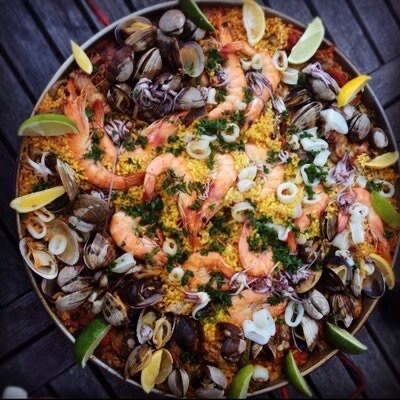
End of the fiscal year. Long one but a good one so this is an exhausted versus drown sorrows drink ;) Old Forester Birthday Bourbon 2024 (12 Year, 107 proof)
Nose is surprisingly light for the proof. Soft sweetness, light oak, and a hint of rye spice.
On the palate it isn’t heavy, but it fills the whole mouth. The heat shows early and stays present, reading higher than 107. Sweetness is there but restrained. More spice builds with time, rye-forward and focused on the tip and top of the tongue, with some grip on the cheeks. Oak stays light rather than deep or dusty.
Bit hotter than I’m feeling I want tonight. — 10 months ago

Jarvis Winery
Estate Grown Cave Fermented Unfiltered Finch Hollow Napa Valley Chardonnay 2018
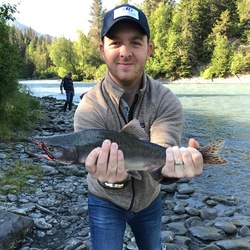
Jarvis is a winery I will always have fond memories of due to visiting it many times so early in my wine journey. While I enjoyed the reds (especially the cab franc and merlot), their Finch Hollow Chardonnay (both the filtered and unfiltered) were standouts. My last bottle!
A youthful bright yellow in the glass. Rich and integrated aromatics of salted popcorn, lemon cream and honey roasted cashews. Tidal wave of flavor on the palate that borders on hedonistic but pulls back just before. Oak is in-play with some baking spices and honey helping round the profile. Acidity has faded a bit but these have always had good phenolic grip, an almond skin-like finish. This reminds me of a blend of Aubert’s SugarShack (Napa warmth) with Kongsgaard (texture and grip). Not getting any better, this is a window that I have to imagine the winery was working towards. Delicious. — 2 years ago
Castello di Volpaia
Chianti Classico Sangiovese Blend 2021
Believe it or not, in the early 1970’s there were less than a handful productive wineries in the Radda UGA; Castello di Volpaia was one of those. Radda was simply remote and difficult to get to. However, times have changed and today, there are more than 40 active wineries! Volpaia is somewhat unique in that its vineyards are some of the highest elevation in the entire Chianti Classico zone.
Popped and poured, the 2021 “Chianti Classico” pours a light ruby color with a transparent core; medium viscosity with no staining of the tears. On the nose, the wine is developing with light notes of cherry, orange pith, dried green herbs and earth. On the palate, the wine is dry with medium tannins and medium+ acid. Confirming the notes from the nose. The finish is medium. If Radda has a reputation for more elegant wines, then Volpaia is a leading example. While it’s more “reserved” than many others, there is substance and has a story to be shared. Drink now with some patience but I think this will be even more enjoyable in the next 5-10 years. — 3 years ago
Souverain
Sonoma County Pinot Noir 1974

Astonishing that this very old wine is drinking just great! The ‘74 Cab from Souverain was my very first early favorite way back then. Got this single sample and figured must be vinegar by now but be good for nostalgia for the long gone vineyard. Instead this is a delightful shock! Labels look great. Cork has top layer of crap but in good shape though the very bottom broke off. Wine has nice garnet color with little hint of its age. Still lively, well balanced and tasty even if not super complex. Nose is just straight out attractive with very ripe dark red fruits as background for the foreground earth and field and hay. No way I’d have guessed 46 year old Sonoma Pinot! Kept sniffing and satisfied even before tasting. Palate is light and lean but still lively and texture is firm and acidic carrying over to good finish. Like an aged but still athletic and elegant ballerina showing off. What a pleasant and memorable shock in these crazy times! Lot of 4 oldies from 70s, Sutter Home Zinfandels (2) Montevino and primarily for these but this Pinot already made it worthwhile for AA20. Adding two to 9.3 for the age! Back label says ‘74 was great vintage and wine ready to drink but will still be good in 3-4 years with proper storage. Ha! Day two still standing strong in Eto and dancing with delight. Enough for one last glass in day or two. Day three drank without food before dinner. Kept sniffing and sniffing. Elegant and complex nose with notes of sour plum and very ripe dark fruits. Only possible in such well aged vino! Memorable. Too bad only bottle. — 6 years ago
Williams Selyem
Sonoma Coast Pinot Noir 2016
I would be remiss as a Sommelier if I didn’t pay homage to a Winery co-founder, Sonoma pioneer & legend, Burt Williams, who passed away this week at 79 due to complications of Parkinson’s.
For those of you that see my posts, soon after I fell In love with wine, I/we started traveling to as many world wine regions as we could. It was at that point, I fell in love with producers. For many, they just sip wine and like or love it. If my posts reflect anything, they hopefully convey a love and homage for producers.
It is a daunting challenge financially & a labor intensive investment to start a winery. Producers that do it well, do it out of love & passion. Somewhere around 50% is completely out of their control...weather. It is a tremendous undertaking, hard work and why I have ultimate respect for producers and Burt is the rule, not the exception.
Williams Selyem has been a favorite Pinot of ours for sometime. We really enjoy them at 10 years plus in bottle. At that age, they take on a preferred Burgundian style. They long age effortlessly, beautifully and show so much more with that kind of time in bottle.
The nose reveals; ruby, dark cassis, blackberries, black raspberries, raspberries, both black plum & plum, boysenberries, blue fruits, pomegranate, Provence herbs, tree sap, charcoal notes, soft, savory meats, mint/eucalyptus, limestone, volcanic minerals, dry, powdery rocks, Lipton tea, mixed dark berry cola, dark, red, blue, purple flowers laid on top of distinctive Williams Selyem violets.
The body, this young is full & feels well extracted. The structure, tension are still big and need to round out. The length & balance are headed to the right place. Ruby, dark cassis, blackberries, black raspberries, raspberries, both black plum & plum, boysenberries, blue fruits, pomegranate, cherries, strawberries, Provence herbs, tree sap, pronounced dark spices with plate heat, chocolate cake w/ light frosting, clove, nutmeg,, cinnamon stick, some vanillin, charcoal notes, soft, savory meats, mint/eucalyptus, underbrush, limestone, volcanic minerals, dry, powdery rocks, Lipton tea, mixed dark berry cola, dark, red, blue, purple flowers laid on top of distinctive Williams Selyem violets. The acidy is near perfect. The long finish needs time but is; delicious, well balanced, elegant, falling into dark spice as it sets.
This will continue to improve over the next 15 years plus.
I didn’t know Burt personally but, I have enjoyed his craft & legacy over the years. I will leave this post with what the winery sent out this week in tribute. They’ve done it far better than I could.
We are deeply saddened to announce that Burt Williams, founder of Williams Selyem, passed away yesterday due to complications of Parkinson’s disease.
Burt, along with co-founder Ed Selyem, started out with a few tons of free grapes in the 1970s. The two friends didn’t set out to produce wines for anyone but themselves, and they surely never imagined that their humble experiment in home winemaking would spawn a cult-status winery of international acclaim. Together, they set a new standard for American-made Pinot Noir, and elevated Sonoma County’s Russian River Valley to among the best wine growing regions in the world.
Born in San Francisco in 1940, Burt and his family moved north to Sonoma County after his dad passed. Upon graduating from Sebastopol High School, he went to work as a printer for the San Francisco Chronicle.
A self-taught winemaker, Burt found his way with the aid of many winemaking books and study of old-world winemaking techniques. In the early days, the winery had little money to spend so they improvised and used old stainless-steel dairy tanks for fermentors—a tradition we still carry on today. He was always fascinated by the terroir of the Russian River Valley and believed that the grapes grown here could make wines to rival the best in the world.
In 1992, Burt quit his day job to focus solely on the winery. After much success, he passed on selling to a few suitors, then made the decision to sell the winery to our current owner, John Dyson. Burt set a particular standard for whom they were willing to sell the winery to. The first condition was that the buyer must already be on the mailing list. The second condition was that the buyer must already be in the wine industry. “Kathe and I were really very lucky to be chosen by Burt and Ed. Kathe had joined the mailing list in the early 1990s and I already owned a winery in New York and a vineyard in California. We saw that as a true sign of Burt’s dedication to maintaining the quality of the wine and the business,” said John Dyson.
After the sale, Burt stayed in the wine industry and purchased a vineyard in the Anderson Valley, where he grew Pinot Noir. We made a vineyard designate from his grapes, called Burt Williams’ Morning Dew Ranch, until he sold the vineyard in 2015. Burt Williams was a pioneer of the industry and stayed a true friend of the winery. He visited the winery many times a year and was always interested in current goings-on. He would often come to events and pour wine and even sign bottles for customers. John Dyson said Burt once told him, “I have to say, John, I’m so delighted we sold to you. We could never have done anything like this ourselves and you really helped make what we started live on.”
Burt’s influence on the Russian River Valley, Sonoma County, and Pinot Noir winemaking in general cannot be overstated. He was considered a trailblazer in the industry and is credited with helping put Sonoma County Pinot Noir on the map. He was also an influence on, and a mentor to, an entire generation of winemakers. VP of Winemaking Jeff Mangahas said, “Burt had a profound impact on my way of thinking of winemaking and it was some of his early wines that fueled my interest in the Russian River Valley. It is truly an honor to be the steward for Williams Selyem wines today and continue to make wines in the spirit of Burt.”
We will all miss Burt greatly.
Burt is survived by his wife Rebecca, two daughters, four grandchildren, and three great-grandchildren.
Photos of; Williams Selyem, two photos of Burt & the “Morning Dew Vineyard” that I hope he is walking and producing heavenly vintage from in his hereafter. — 7 years ago


Avery Brewing Company
The Maharaja Imperial India Pale Ale

Château Pichon Longueville Comtesse de Lalande
Pauillac Red Bordeaux Blend 2005
I remember when the 2005 Pichon Lalande was reviewed by RP, 89. I saw that & said, you would have to get in the way of the 2005 Bordeaux vintage to be that sad. I still bought 6 at a bargain basement price. A very good idea post 20 yrs+. Both Pichon’s don’t have a modern day history of getting in the way of a good vintage.
I also bought this one. 18 yrs in bottle and still acending. This will hold 5 more yrs and will last another 10 yrs properly stored.
I have visited Bordeaux 11 times. This chateau visually is still my favorite. It was showing a picture of this chateau to Sofia that launched our first visit. Sofia loved it and we have stared at it multiple times on every visit.
It was in our visit in 2007, I stood in the estate vineyard, looked & tasted their soils. After doing so, I said, “I get it.” I understood everything about what I was tasting in Left Bank Bordeaux’s early in my wine journey.
Sofia and I had dinner w/ Christian Moueix not long after the 2005 vintage was hyped/released. She asked him, when did you know you had something special?” He said, “as soon as I tasted the fruit at harvest.”
Tonight, it shows that it is a close relative, a sibling to Pichon Longueville. Cork, perfect.
The nose shows; classic left bank traits. Ripe, dark, brooding fruits, bright, mid berries, red cola, leather, tobacco, sandalwood, leather, led pencil, dark rich earth, limestone, dry river stone, hint of mushrooms, dark, red, fresh & withering florals.
The fruits on the palate show everything outstanding from the 2005 growing season. Ripe, juicy, brilliant; dark currants, blackberries, black raspberries, black plum skin, black cherries, baked/poached strawberries & some hovering raspberries. Dark chocolate bar to pudding, red cola, anise, dark spices w/ palate heat, dark, rich earth w/ dry leaves, pronounced graphite, dry tobacco, leather, limestone, dry twig, dry river stone, moist clays, moist herbs, cedar to sandalwood, withering & dry, dark flowers, red roses, some lavender & violets, beautiful rainfall acidity, excellent; balance, tension, structure, length w/ an elegant finish that lasts minutes and lands on spice & earth.
13.4 ABV. Nice.
#TheTwoHourRibcap
This held up vacuumed sealed the same night, refrigerated & enjoyed exactly a week later. — 10 months ago
Buffalo Trace Distillery
90 Proof Kentucky Straight Bourbon Whiskey
Took me a while and finished this bottle off today. An excellent, well priced bottle of enjoyable bourbon. Highly recommend grabbing this for sipping times. — 2 years ago
Edetària
Via Edetana Grenache Blend 2005

I still have quite a few wines like this from my early days of wine collecting - stuff that was highly rated or recommended in the $15-30 price range (this was $18 from Wine Library in 2009). Wines that could provide a great quality for the price, but that no one, including me, ever expected would spend a dozen years in my cellar. Many people would assume wines like this one to be hopelessly past prime, but over and over again I’m surprised how well so many of them - from both the old and new world - hold up. At first this wine seemed to be over the hill, with some brownish tinge to the color, balsamic aroma and leathery mouthfeel, but the longer it’s in my glass the more I’m enjoying it. The sweet and intense red cherry fruit is sightly raisiny in character yet still somehow bright, the tannins are integrated but still firm, and the acid is balanced and mouth watering. Pretty classic Grenache-Carignane that would hold its own against Priorats costing several multiples of its price. Sometimes wine makes you smile (most times). — 6 years ago
Luciano Sandrone
Valmaggiore Nebbiolo d'Alba 2017

The 2017 Nebbiolo d'Alba Valmaggiore is bright, fruity and absolutely delicious. The warm vintage seems to have given the Valmaggiore an extra kick of mid-palate sweetness, which is not a bad thing for a wine that can at times be a bit lean. Sweet red berry fruit and floral notes are nicely pushed forward. The 2017 will benefit from a few years in bottle, which will allow the aromatics to develop, but it is impeccable in its balance and super-classy, even in the early going. (Antonio Galloni, Vinous, March 2020)
— 7 years ago
Rasa Vineyards
Plus One Kiona Vineyards Cabernet Sauvignon
2012 opened August of 2019. Although I can understand another poster giving this wine an 8.8, this is not a wine for a Bordeaux lover. This is a rich full-bodied western US wine. Leather and bourbon on the nose. Unripe red fruit on the front, but it has a marvelous smooth-yet-astringent tannic structure. I don’t think I’ve ever had a Cab quite like this! No doubt the high alcohol content (15%) has something to do with this wine’s unique taste profile. Realistically, I think I’ve open this bottle much too early. I bet I could lay this bottle down for 20 years before this wine fully matures—but, alas, I don’t think I have 20 years left. So I’m drinking it now! This is a unique and powerful wine. Not for the faint of heart! ;-) — 7 years ago
Château Cos d'Estournel
Saint-Estèphe Red Bordeaux Blend 1990
The reason I fell in love with Bordeaux is because I had one of the greatest mentors one could have, Clyde Beffa Jr. - Owner of K&L Wine Merchants. I could never thank him enough or show enough gratitude for the kindness he has shown me. He has been going to Bordeaux multiple times a year for 40 plus years and shown me the greatness of well made Bordeaux’s enjoyed at the age of 25 years plus!
Many who open well made Bordeaux’s young will never know the absolute Heaven they bring to the palate and even more so with a great steak. You only rob yourself of perfection when you open them inside of 25 years. Sure you can check em at 10-15 years for longevity but, you need to have/save bottles for 25 years plus.
Also, an old Bordeaux at 95 is not nearly the same as a young 95. At this age, technical scores are simply not the same as young wine. The enjoyment is completely different.
The nose reveals; a slight touch of funk, dark, ripe, currants, blackberries, dark cherries, black plum, black raspberries, strawberries on the edge of the glass, anise, cedar, graphite, used leather, just a whiff of green pepper, vanilla, caramel, mocha, dark Asian spice, incense, dark & mid berry cola, dark, rich earth, underbrush, limestone, dry stone, hint of sweet tarriness, light, dry herbaceousness, black tea, with dry, withering, fresh, dark, red, blue candied flowers and violets and lavender for days.
The body is round, soft and full. The 90 is the definition of elegant and floral. The structure, tension, length and balance are perfect with another 5-10 years of pleasure to give. It’s gorgeous and sexy. Dark, ripe, currants, blackberries, dark cherries, black plum, black raspberries, some blueberries, strawberries on the long set, anise, cedar, graphite, soft, used leather, vanilla, caramel, mocha, dark chocolate, salted, milk chocolate, dark Asian spice with just a touch of palate heat, a hint of green pepper, savory meats, incense, dark & mid berry cola, dark, rich earth, underbrush, limestone, dry crushed minerals, dry stone, hint of sweet tarriness, light, dry herbaceousness, black tea, with dry, withering, fresh, dark, red, blue candied flowers and violets and lavender for days. The acidity is perfect like a warm gentle rain shower. The finish is a “forget about it.” It’s; gorgeous, sexy, lush, ripe, just the right amount of earthiness, elegant, well balanced and will persist until you go to sleep.
13% ABV. I sure miss the 12–13% ABV of the 80 & early 90 Bordeaux’s.
Photos of; the majestic Chateau Cos d’Estournel and Estate vines, their barrel room with translucent floor to walk above, their library cellar that most would love to raid and their sitting salon.
— 7 years ago

Château Lafite Rothschild
Carruades de Lafite Pauillac Red Bordeaux Blend 2003
On the nose, ripe; blackberries, sweet & sour dark cherries, cooked cherries & strawberries & hues of blueberries. Black tea, cola, soft baking spices; vanilla, light clove & cinnamon. Crushed rocks, stones, limestone, turned, moist black earth, tobacco leaf, saddle-wood, soft leather, dry & fresh dark red florals.
The body is medium edging toward full. The tannins pretty well resolved. The ripe fruits show the hot, ripe vintage. Blackberries, sweet & sour dark cherries, cooked cherries & strawberries & hues of blueberries black tea, cola, soft baking spices; vanilla, light clove & cinnamon. Crushed rocks, stones, limestone, tobacco with ash, some graphite, soft medium dark spice, turned, forest floor, powdery but edgy minerals, saddle-wood, soft leather, dry & fresh dark red florals with some violets on the finish.
This showed better with Ribeye. The Ribeye brought out a fuller, richer wine with even more complexity. 9.35-9.4 with the Ribeye. It just missed 9.2 on its own. It’s big brother the 03 “Lafite” is 💯 point Parker wine.
Photos of; Chateau Lafite, their oak vat fermenters, Estate wine and their magnificent barrel room.
Interesting history and producers notes...Lafite Rothschild has a long and interesting history dating back to 1234, even though the property was not in the Bordeaux wine business at that time.
It is has been largely believed that vines were already planted on their terroir. The owner of the estate at the time, Gombaud de Lafite left his mark, his name. Almost 1,000 years after he owned it, the Chateau is still named after him! The vines were probably in existence at Lafite for over a century, it was not until around 1680, the majority of vineyards of what we know of as Lafite Rothschild today were created. This is because on the 1680 estate manifest, there are six mentions of their Bordeaux vineyards. Jacques de Segur, earns credit for cultivating the vineyard as I wrote in my Colon Segur post last weekend. In 1695, Alexandre de Segur married Marie-Therese de Clauzel, heiress to Chateau Latour. So to dovetail that write up, within a generation, the Segur family married into two of the greatest Bordeaux vineyards, Chateau Lafite and Chateau Latour! When their son, Nicolas-Alexandre passed away, Chateau Lafite and Chateau Latour were separated.
In 1797, Chateau Lafite was sold again. In the deed of sale, Chateau Lafite was described as a Premier Cru of Medoc. This is one of the earliest mentions of what we know of today as Lafite Rothschild producing wines of what would later be classified as an 1855 First Growth.
At that time, of Lafite were managed by the Goudal family. The Goudal family were wine historians and were able to read accurate records and details of the viticulture and marketing plans for Chateau Lafite in the estates formative years. The Goudal family gets the credit for creating the cellar and saving many of the oldest bottles that remain in the cold, dark cellars, including their oldest bottle, the 1797 Lafite!
The start of the famous Rothschild family begins in 1744, with the birth of Amschel Meyer. Amschel Meyer began creating his fortune while working as a merchant at “Zum Roten Schild,” which eventually became the family name of Rothschild.
In 1798 his sons were sent to various cities to create their fortunes. Needless to say, his sons all prospered as did their children in turn. This eventually led to them wanting to own a Chateau in Bordeaux. So in 1853, Baron Nathaniel de Rothschild, an English member of the Rothschild family, purchased Chateau Brane-Mouton. As was the custom of the day, the new owner renamed it using his name and Chateau Mouton Rothschild was born.
This was followed in 1868, when James Rothschild, another member of the family purchased Chateau Lafite, which was now a coveted First Growth.
On 8 August, 1868, Baron James d’Rothschild purchased Chateau Lafite, which was sold at a public auction in Paris. It’s assumed, he bought the property for family competitive reasons looking to one up his brother, the owner of Mouton Rothschild. At that time, Mouton Rothschild was only a Second Growth at the time. But, that does not paint the entire picture. The 1855 Classification had not taken on the importance associated with it the we see it today. Plus, buying Lafite was a reasonable investment as the vineyard sold for about 8 times its earning potential.
The actual Chateau is one of the older structures in Bordeaux, as part of the building dates back to the later part of the 16th century. In 1868, the vineyard took up 135 hectares, of which 74 hectares were cultivated with vines. Production was much smaller in those days than it is today as it was between 4,000 and 5,000 cases.
Just three months after the purchase, Baron James d’Rothschild passed away and Chateau Lafite Rothschild became the joint property of his three sons; Alphonse Rothschild, Gustave Rothschild & Edmond Rothschild. Since 1868, Chateau Lafite Rothschild has remained in the hands of the of Rothschild family. The new owners renamed the estate Chateau Lafite Rothschild.
Jumping ahead to the modern age, in 1962, the Rothschild family added to their holdings when they purchased Chateau Duhart-Milon, a Fourth Growth vineyard also located in Pauillac. It was owned by the Casteja family for more than a century, Chateau Duhart Milon suffered from neglect and was in a awful condition. By the time Duhart Milon was obtained by the Rothschild family, the vineyard was down to only 17 hectare which required extensive renovations.
Baron Eric Rothschild, nephew of Baron Elie Rothschild, took over the management of Lafite Rothschild in 1974. Baron Eric Rothschild was part of the fifth Rothschild generation to inherit Chateau Lafite Rothschild. In 1984, the Rothschild family added to their holdings in Bordeaux with the purchase of Chateau Rieussec in Sauternes.
1987 was a difficult vintage, but because that was the year Lafite celebrated the inauguration of their wine new cellar, they had a lot to be excited about.
The new cellars were built under the supervision of Catalan architect Ricartdo Bofill, is both underground and circular, with a vault supported by 16 columns, giving the structure a majestic architectural style. The cellar holds 2,200 barrels, which is about 55,000 cases of wine. The construction took two years to finish and was completed in 1988.
Domaines Baron Rothschild became one of the first Bordeaux properties to invest in South America when they purchased Vina Los Vascos from a Chilean family. The owners of Lafite Rothschild continued expanding their holdings with the purchase of Chateau lEvangile in Pomerol from the Ducasse family, who owned the property for almost 100 years.
The wine making at Chateau Lafite Rothschild was managed by Charles Chevallier, who began his position in 1994. Charles Chevallier was replaced by Eric Kohler in January 2016. 2017 saw another change at the estate when Jean Guillaume Prats replaced Christopher Salin as the President of Domaines Baron Rothschild.
Perhaps, it’s the most refined of the First Growth. The wine, like all First Growth’s takes decades to mature. It has remarkable staying powers. Bottles of 1870 Lafite Rothschild discovered in the Glamis castle remain profound at more than 140 years of age! It is consider by many Master Sommeliers to be the best wine in the world.
Chateau Lafite Rothschild is one of the earliest major Bordeaux estates to bottle their own wine. In 1890, they bottled a large portion of the wine and again in 1906. Part of the estate bottling was due to requests from Negociants who were willing to pay more for Chateau bottled wines. Also, bottling was primarily done to combat piracy. At the time, it was known that merchants in some countries, like Russia were bottling cheap wine and placing labels from Lafite Rothschild on the bottles. The Koch’s famous Jefferson bottles were not the first attempt at counterfeiting.
Prior to 1996, some would say the property had its share of ups and downs. The 1960’s and 1970’s were not great for Chateau Lafite Rothschild. But since 1996, Lafite Rothschild has been producing some of the best wine in their history!
Sadly, only the wealthy can afford to purchase it. Price aside, there is no denying the level of quality. In 2003 Lafite Rothschild produced a wine that is possibly unequaled by the estate at any time in their long history. Hence, my purchase of their 03 second wine. 2009, 2010 and 2016 are not far behind.
Starting in about 2008, Lafite Rothschild became the most collectible wine from Bordeaux. Prices exploded due to demand from China as Chinese businessmen bought them as gifts or bribes depending on you look at it.
The reason this started was Lafite Rothschild paid for product placement on the number one rated Chinese soap opera on television. Characters in that show were pictured enjoying life with Lafite Rothschild and since then demand went through the roof as did priced.
However, Issac Newton had it right when he declared “What goes up, must come down.” Prices for Lafite Rothschild plummeted after 2011. By the difficult 2013, prices were finally starting to hold firm, but many of the vintages that were setting price records on a daily basis had lost close to 50% of their value.
Starting with the 2012 vintage, Chateau Lafite Rothschild began instituting anti-counterfeiting measures. From 2012 forward, to help fight, rampant counterfeiting, the estate places a seal of authenticity on the capsules of both Lafite Rothschild and Carruades de Lafite. The seal features a unique, numbered code that can be checked on their website, to verify if the wine is real.
The 112 hectare vineyard of Chateau Lafite Rothschild is planted to 70% Cabernet Sauvignon, 25% Merlot, 3% Cabernet Franc and 2% Petit Verdot. This shows a slight change in the vineyard.
While Cabernet Sauvignon remained at 70%, today there is slightly more Merlot, less Cabernet Franc and the Petit Verdot has been added since the mid 1990’s.
Located in the far north of the Pauillac appellation, only the small, Jalle de Breuil stream separates the vineyards from St. Estephe. You could divide the vineyards of Chateau Lafite Rothschild into three sections with 100 separate parcels in all. The estate has close to 50 hectares of vines located close to the Chateau, on both sides of the D2, which offers gentle rises in elevations of up to 27 meters. They also have about 50 hectares vines planted on the plateau in the Carruades sector, where they have two blocks of vines, one of which is inside the vineyard of Chateau Mouton Rothschild. It is interesting to note that even though the parcels in the Carruades sector give their name to the second wine of the estate, those vines are almost always placed in the Grand Vin.
There are also vines adjacent to, and interspersed with the vineyards of Chateau Duhart Milon. The property also consists of a smaller, 4.5 hectare parcel of vines located in the Saint Estephe appellation, “La Caillava”. The vines in St. Estephe are situated not that far from Cos d Estournel, which are located on a larger a parcel known as Blanquet. The vines in Saint Estephe are allowed to be placed into the wine of Chateau Lafite Rothschild because those vines were used to produce Lafite in 1885, at the time of the classification. The vineyards are close to their famous neighbor Mouton Rothschild.
Located just south of the Chateau, the best terroir of Lafite Rothschild has a thick layer of gravel with sand, clay, marl and limestone in the soils with rolling, gravel slopes. The gravel can be as deep as 4 meters in some parcels.
It is important to note that even though their vineyards are in the far north of Pauillac, most of the soil is pure gravel, rocks and stones. With more than 50% of the soil consisting of gravel, that is a large part of the reason Lafite Rothschild has such elegant, feminine textures and that coveted sensation of minerality.
On average, the vines are close to 40 years of age. However, Chateau Lafite Rothschild has much older vines. In fact, they have some vines that are more than 100 years of age planted in the La Graviere section. That small parcel of Merlot vines dates back to 1886. Less than 1% of the vines are that old.
Additionally, they have a small section of Cabernet Sauvignon that dates back to 1922! Other old vines range from 50 to 90 years of age! They also maintain some of the oldest Petit Verdot vines in the Medoc that was planted in the early 1930’s.
At Chateau Lafite Rothschild, between 1% to 1.5% of the vineyard is replanted every year. Vines less than 20 years of age are never included in the Grand Vin.
The vineyard of Chateau Lafite Rothschild is planted to a vine density that ranges from 7,500 to 8,500 vines per hectare. Only organic fertilizers are used in the vineyards of Lafite Rothschild.
During harvest, the goal is not to pick at the maximum level of ripeness. Instead, they are seeking a blend of grapes at differing levels of maturity, which gives the wine its unique textures, freshness, aromatic complexities and elegant sensations.
Lafite Rothschild is the largest of the First Growth vineyards with close to 112 hectares of vines. A large portion of the estate is taken up with stunningly, beautiful landscaping, lakes, trees and parkland.
At one point in time, Chateau Lafite Rothschild produced a dry white, Bordeaux wine that was sold as Vin de Chateau Lafite. The wine was produced from a large percentage of Semillon, blended with a small amount of Sauvignon Blanc. The last vintage for their white wine was 1960. The wine was sold as a generic AOC Bordeaux blanc with a simple, scripted label, black and white label.
Lafite vinification takes place in 66 vats that are a combination of 29 wood vats, 20 stainless steel tanks and 17 concrete vats that range in size from as small as 45 hectoliters up to 123 hectoliters in the concrete and as large as 270 hectoliters for the wood. The wide range of vat sizes coupled with different materials allow Chateau Lafite Rothschild to vinify depending on the needs of each specific parcel and grape variety. The stainless steel tanks and oak vats are used for Cabernet Sauvignon. The Merlot is vinified in the concrete tanks. Malolactic fermentation occurs in smaller, stainless steel tanks that vary in size from 25 hectoliters up to 60 hectoliters. At this point, Chateau Lafite Rothschild does not yet use gravity to move the fruit and juice in the cellar. It’s a good bet that a remodel is coming soon.
The average annual production of Chateau Lafite Rothschild ranges from 15,000 to 20,000 cases of wine per year, depending on the vintage. They of course make this second wine, Carruades de Lafite, which due to the name and association with the Grand Cru, has also become extremely collectible. Carruades de Lafite takes its name from a specific section of their vineyard that is located near Mouton Rothschild. Carruades is actually one of the older second wines in Bordeaux, as it was first produced in the mid 1850’s. About 100 years later during the mid 1960s, the estate reintroduced their second wine naming it Moulin de Carruades. The name was changed again in the 1980’s to Carruades de Lafite.
There is also a third wine which is sold as an AOC Pauillac that is produced from declassified fruit from Lafite Rothschild and Duhart-Milon.
The blend for Chateau Lafite Rothschild changes with each vintage depending on the character and quality of the vintage. Generally speaking, the amount of Cabernet Sauvignon in the blend ranges from 80% to 95%. Merlot is usually 5% to 20%. Cabernet Franc and Petit Verdot usually varies from 0 to 5%.
— 8 years ago

Bob McDonald

Rich and full bodied. Nose of savoury black plums. So flavoursome - sumptuous, mouth filling and satisfying. One of the more enjoyable reds I’ve had of recent times. From the excellent 2016 vintage. This is the first of 2 bottles. Next one towards the end of 2027 or early 2028. — 4 months ago