Brillo Solar

Michel Guignier
Domaine des Amethystes Chiroubles Gamay 2018
A racy Chiroubles. Charming purple dress, medium concentration and beautiful brilliance. Superb peppery nose, airy between bright floral bouquet (Rose, Iris) and vibrant fruits (cherry and raspberry). Concentration, as expected on solar vintages. The mouth is fresh, tense, with few tannins but beautiful chew. Great drinkability, served refreshed (12/14 degrees) and airy, it's a dangerous drink!
Un Chiroubles racé. Charmante robe violine- pourpre, concentration moyenne et bel éclat. Superbe nez poivré, aérien entre bouquet floral éclatant (Rose, Iris) et fruité vibrant (cerise et framboise). De la concentration, comme attendu sur les millésimes solaires. La bouche est fraîche, tendue, avec peu de tanins mais de la belle matière. Belle buvabilité, servi rafraîchi (12/14 degrés) et aéré, c’est une boisson dangereuse! — 4 years ago
Brillo Solar
Chardonnay

Wine advent….ure #22 — 5 years ago
Vinicola Solar Fortún
Baya Baya Cabernet Sauvignon-Petit Verdot Blend 2019

Very good, had down the shore — 5 years ago


Garcia Carrion
Solar de Carrion Crianza Rioja Tempranillo Blend 2013

Nice Rioja...especially for the price. One of two recent experiments from Palato Maceió. — 7 years ago
Vinicola Solar Fortún
O Positivo Valle de Guadalupe Cabernet Sauvignon-Syrah

Interesting flavor profile. Mild for cab and Syrah but super delicious with food. — 8 years ago
Schiavenza
Prapò Barolo Nebbiolo 2017


BTG at Howard Street Wine Merchants. The 2017 Prapò pours a deep ruby with a garnet rim and a transparent, but nearly opaque core. Medium+ viscosity with no staining on the tears. On the nose, this was initially funky stewed cherries, Twizzlers and tar. The fruit profile seemed to freshen up with some air and along came a dozen dark red roses, leather, dried herbs, orange zest, and some asian spices. On the palate, the wine is bone dry with high tannin and medium+ acid. Confirming the notes from the nose. The finish is long. Sometimes I wonder how certain 2017 Barolo’s will age, primarily due to the heat and solar nature of the vintage. This is one that has me scratching my head. Perhaps it’s the healthy southern exposure of the Prapò MGA? It’s drinking well now on the pop and pour but I’m curious how it will show towards the end of the decade? I say drink’em. — 3 years ago
Domaine des Ouled Thaleb
Tandem Syrah du Maroc 2020
Always one of the best quality/price/pleasure ratios in Morocco. The solar syrah, but with balance.. superb vinification, modern trend, purity, floral, silky touch. The syrah expresses itself wonderfully. To be tested at least once for lovers of the Rhône Nord.
Toujours l’un des meilleurs rapports qualité/prix/plaisir du Maroc. La syrah solaire, mais à l’équilibre.. vinification superbe, tendance moderne, pureté, floral, toucher soyeux. La syrah s’y exprime à merveille. A tester au moins une fois pour les amateurs du Rhône Nord. — 4 years ago
Château de Lyde
Cadillac Côtes de Bordeaux Red Bordeaux Blend 2015
Inspección:
Ligeramente Turbio
Brillo: Medio Alto
Ausencia de Sedimentos
Color: Violeta
Intensidad: Media Alta
Viscosidad: Media
Menisco: Variación de Ribete Corta con segunda Tonalidad Magenta
Olfato:
Intensidad: Media Alta
Frutos Maduros
Frutos Rojos y Obscuros (Cereza, Fresa y Ciruela)
Flores: Violeta y Jazmín
Especies:
Suelo de Matriz Mineral
Presencia de Madera
Extras: Confitado, Trufa, Balsámico
Gusto:
Semi Dulce
Cuerpo: Medio Entero
Acidez: Media Baja
Alcohol: Medio Bajo
Taninos: Medio
Complejidad: Media
Final: Medio Largo
Equilibrado
Notas de Vino: Dejar respirar 30-60 min
— 5 years ago
Marqués de Riscal
Arienzo Crianza Rioja Tempranillo Blend 2015
Inspección:
Claro
Brillo: Alto
Ausencia de Sedimentos
Color: Rubí con tonos Miel
Intensidad: Medio Alta
Viscosidad: Media Alta
Menisco: Variación de Ribete Corta con Tonalidades Paja
Olfato:
Intensidad: Media
Frutos Jóvenes
Frutos Rojos (Fresa, Frutillas)
Flores: Silvestres Frescas
Especies: Ligera Pimienta
Suelo de Matriz Mineral
Presencia de Madera
Extras: Coco
Gusto:
Semi Dulce
Cuerpo: Medio
Acidez: Media
Alcohol: Medio Bajo
Taninos: Medio Bajo
Complejidad: Media Baja
Final: Medio Corto
Equilibrado
Notas: Jovial, Moderno, muy Agradable a Paladar. Frutal y Versátil, un comodín para acompañar muchos momentos. — 5 years ago
Baron-Fuenté
Grande Réserve Brut Champagne Blend
Champagne is for celebrating, not that I need a celebratory reason to open a bottle as I am hooked on champagne. 💉
However, after installing 27 solar panels and waiting an additional seven weeks for my Tesla, I/we have almost erased our carbon footprint. Finally picked it up today. I believe we all need to do our part to save the glorious vines that bring so much happiness to our lives. 🍷🥂👍
As for the Baron Fuentes, the is a very good Champange and is perhaps the best QPR out of Champagne at $24.99.
Bright lemon, lime, grapefruit w/ sugar, bruised red apple & pear, touch of ginger & cider, bread dough, baguette crust, sea spray, white spice with some palate heat, sea fossils, grey volcanic minerals, spring flowers, lilacs and yellow lilies. The acidity is bright, crisp and lively. The finish is smartly polished, well balanced and persistent for minutes.
Whoo hoo! So close to carbon free! 🍾🥂 — 7 years ago
Seavey Vineyard
Estate Grown Cabernet Sauvignon 2013
The nose reveals; dark currants, blackberries, heavy black plum, black raspberries, dark cherries and some blueberries. Black tea, expresso roast, anise, crushed dry rocks, big vanilla, clove, a little nutmeg, dry underbrush, sweet tarry notes, leather, woody notes with dark fresh & withering flower bouquet.
The body is big and lush. The tannins are big, meaty and tarry. Very dark currants. Blackberries, heavy black plum, black raspberries, dark cherries and some blueberries & strawberries as they open up. Black tea, expresso roast, steeped fruit tea, anise, crushed dry rocks, dry clay, big graphite, big vanilla, dark spice, clove, light dry herbs, a little nutmeg, dry underbrush, sweet tarry notes, leather, cedar with violets dark fresh & withering flower bouquet. The acidity is round, fresh and beautiful. The big, long, well balanced finish is excellent and look forward to having this in 15-20 years. This one will be a stunner!
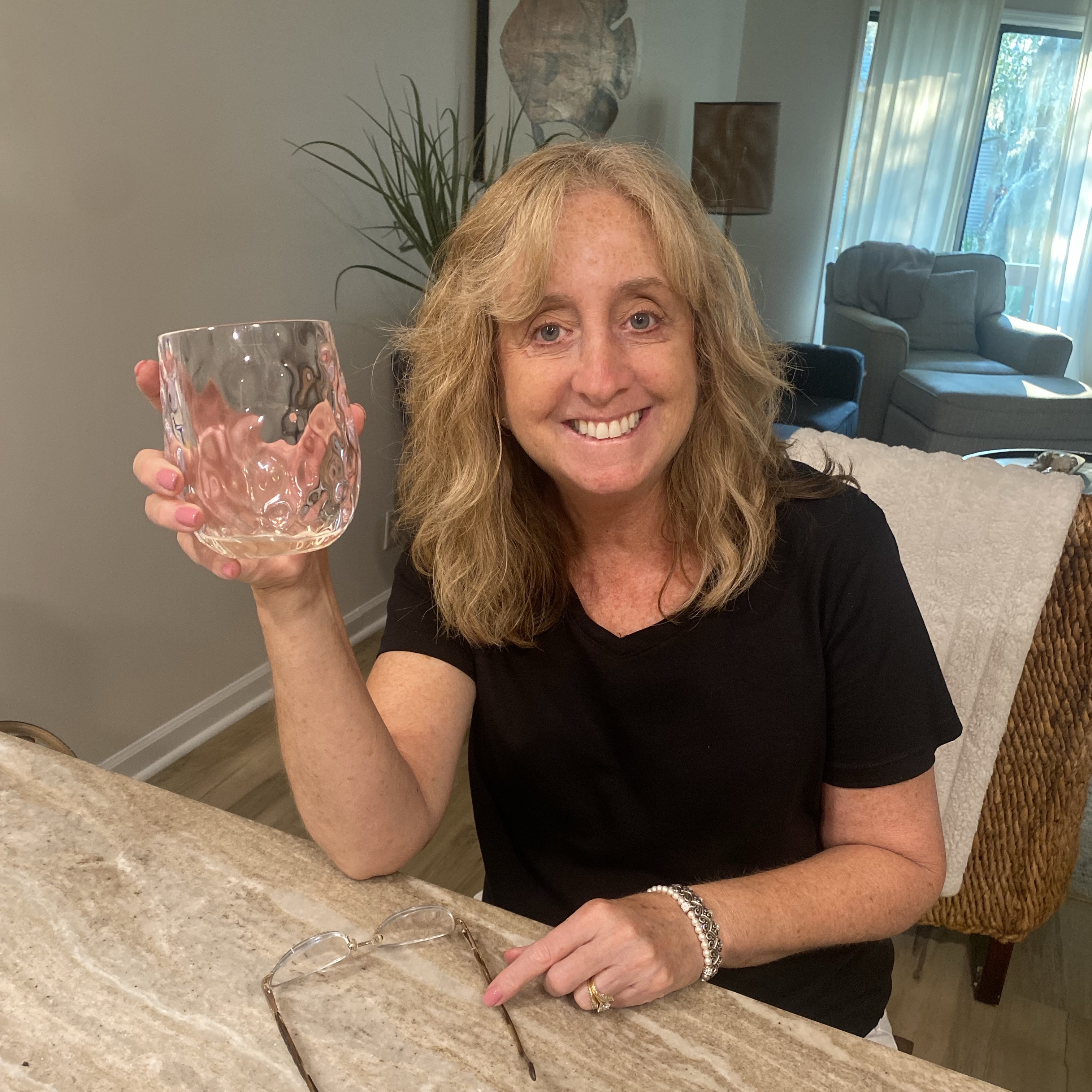
Photos of, the barn where they make wine and hosts tastings, our private tasting area inside William’s old office. William desk and their outside terrace area.
Producer history & notes...Seavey Vineyard is located along Conn Valley Road in the eastern hills of Napa Valley, about 15 minutes from the valley floor.
This historical property was originally a cattle ranch. However, records indicate grapes were planted on some of the hillsides as early as the 1870’s. The stone dairy barn, still in existence, was built in 1881.
William & Mary Seavey purchased this property in 1979. The estate was originally founded by the Franco-Swiss Farming Company in 1881 which, closed down when Phylloxera destroyed their grape vines and the Volstead Act (Prohibition) went into effect. At the time of their purchase, they were a horse and cattle ranch. They quickly planted the slopes with grapes and initially sold their fruit to Raymond Vineyards. They have never purchased grapes, all their wine is made from estate grapes. Their vineyards are separated into 20 plus individual blocks.
Today, the property is about 200 total acres of which, 40 acres are planted to vine. Their hillside vineyards produce low yields of rich concentrated fruit. A small block of Chardonnay grows in a cooler lower part of their property. Besides grapes, they also raise cattle which are used to graze the hillsides. They feed the vineyard with the cattle cuttings. In 2003, they were one of the first Napa wineries to install solar.
Mary passed away in 2008 and William died in 2016. There daughter Dorie returned to the family business and now oversees the winery operations. Her brother Arthur also handles national and some small international sales, primarily to restaurants. However, most of their wine is sold direct to consumers.
Seavey’s first commercial vintage was released in 1990 a year after they renovated the stone dairy barn into a working winery. Today this stone building is the centerpiece of the property and is where tastings are hosted.
Since 2011, Jim Duane has been their day to day Winemaker. He’s worked at Robert Mondavi and Stag’s Leap Wine Cellars. It should also be noted that Philippe Melka Winemaker/Consultant has been with Seavey since 1995...one of Philippe’s two initial wine making jobs in the Napa Valley were with Seavey and Lail Vineyards.
Seavy makes about 3,200 cases annually depending on what mother nature brings. They make around two hundred cases of Chardonnay, slightly more Merlot and the rest is of the production is comprised of their Caravina and Estate Cabernets.
— 8 years ago

Patrick & Christophe Bonnefond
Côte-Rôtie Syrah 2007
Presented double-blind at Tasting Group. In the glass, the wine is a garnet color with some significant rim variation, moving towards a burnt sienna rim. The core is hazy, translucent. Viscosity is medium with some slight staining and there appears to be some fine sediment. On the nose, the wine is vinous. Lovely notes of desiccated brambles and purple flowers accompanied by tobacco, old leather-bound books, damp earth, gentle warm spices and something that was reminding me a bit of pyrazines but more on that later. On the palate, the wine is dry with medium+ tannins and medium+ acid. Confirming the notes from the nose however, on the finish (which was long) there was a strong impression of fine ground black pepper. Alcohol was medium.
Initial conclusions: this could be Cabernet Sauvignon (or a blend with associated Bordeaux varieties), Tempranillo or Syrah from France, Spain or USA. But there wasn’t enough focus on the fruit for me to be in the USA and the oak came across more French than American so I ruled Spain out. Then there was that black pepper on the finish. Bordeaux doesn’t traditionally have that character so it had me thinking those pyrazines I perceived on the nose was actually rotundone and this was whole-cluster Syrah. And, because the wine was showing so much maturity, I felt this had around 30 years of age.
Final conclusion: this is Syrah, from France, from the Northern Rhône, from Côte Rôtie, 1989 vintage. Wow…2007! This is advanced for its age. That likely has something to do with with the solar vintage but having recently enjoyed a 2007 Côte Rôtie from another producer, this was showing a lots more tertiary character than I would expect. This is a new (to me) producer. Enjoyable! Drink now. — 3 years ago
Langlois-Château
Saumur Cabernet Franc 2020
The charm of the Cab-franc de Loire in the expression of a cuvée to drink on youth. Variety notes in the spotlight: raspberry, violet, slate. 2020 is concentrated, bearing the stigma of solar vintages with almost liquorice notes. Blindly, it almost feels like you're in the Rhône-Nord (without pepper) Fine and gourmet. Drink refreshed 13/15 degrees.
Le charme du Cab-franc de Loire dans l’expression d’une cuvée à boire sur la jeunesse. Notes variétales à l’honneur: framboise, violette, ardoise. 2020 est concentré, portant les stigmates des millésimes solaires avec des notes presque réglisse. A l’aveugle on se croirait presque dans le Rhône-Nord (sans le poivre) Fin et gourmand. À boire rafraîchi 13/15 degrés. — 4 years ago

Vinicola Solar Fortún
Valle de Guadalupe Syrah
Mainly black fruits and cassis with pepper and a hint of menthol or herbs on the nose, fruiry with an earthy nice nice long finish. — 5 years ago

Brillo!
Prosecco
Yummmmm and the bottle is pretty. — 7 years ago
Solar de Randez
Reserva Rioja Tempranillo Blend 2011

Nice bouquet, dark & fruity. Didn’t dining as well as it started. — 8 years ago


Jay Kline

Popped and poured; enjoyed over the course of three hours. The 2012 Villero pours a pale, slightly hazy garnet with a transparent core; medium+ viscosity with no staining of the tears. On the nose, the wine is developing and initially a little grumpy with the fruit showing a touch stewed and everything a little muddled. However, with about 30min of air, it started to freshen up! This is a trait I find common with traditionally made Nebbiolo from Barolo and Barbaresco in solar years. Morello cherry, raspberry, bruised strawberry, dried roses, tar, dried green herbs, talcum powder, and gravelly earth. On the palate, the wine is bone dry with high tannin and medium+ acid. Confirming the notes from the nose. The finish is long and grippy. There is so much nuance and yet, the quality is undeniable. Hard to stay away from. Drink now with patience to let it freshen up in the glass after opening but this should drink well through 2037. — 2 years ago