Les Galets
Château Mourgues du Gres
Galets Rosés Costières-de-Nîmes Rosé Blend 2022


Fun ripe fruit, chipper herbs n wet stones..a good time! — 3 years ago

Domaine Jerome Gradassi
Châteauneuf-du-Pape Red Rhone Blend 2018
Blend of Grenache (80%) and Mourvedre (20%) from 6 parcels in the Palastor, Bois Dauphin and Cabrières lieux-dits, located around the road to Orange in the cooler, northern part of the Châteauneuf du Pape AOC. From 60-80 years old vines Gradassi inherited from his grandfather rooted on sandy and clay soils, with few galets roulés (round river stones). Whole-bunch fermentation in cement vats. Aged for 10 months in older barriques. Intense, complex and fabulously aromatic, with aromas of dark fruit, garrigue, licorice and an edge of graphite/gunpowder. Big and powerful (14.5%) yet balanced. Earthy, leathery qualities and some chewy tannins. — 6 years ago


Maison Denuzière
Les Galets Crozes-Hermitage Syrah 2015

This was maybe $17 at the store? Maybe $15? Outstanding for that price point. I will point out that it's not a fruit-forward syrah, if that's what you're looking for. But if you enjoy gaining a sense for the terroir of a vineyard, and you don't shy away from elements of earthiness or minerality along with your black currant and other typical syrah spice and smoke (but maybe a tad more low-key) then please try this Goldilocks of $/intrigue ratio and worthwhile cousin of the Hermitage region. — 9 years ago
Barton & Guestier
Les Galets Côtes Du Rhône Syrah Blend 2021

Traditional GSM blend. Dark ruby/purple color. Aromas of red and black fruit, leather and spices. Ripe strawberry, pomegranate, currant and plum fruit on the palate along with hints of tobacco, vanilla and black pepper. Slight touch of minerals on the medium-plus finish. Full bodied and light on the tannins and acidity. Thanks for opening, Keith S. — a year ago
Domaine Pierre Usseglio & Fils
Cuvée De Mon Aïeul Châteauneuf-du-Pape Red Rhone Blend 2015
One of Usseglio’s top cuvées, Mon Aïeul (“my granddad”) is 100% Grenache from some of the estate’s oldest vines (about 85 years of age) in La Crau, La Guigasse and Les Grandes Serres lieux-dits – each with a different type of soil.
Situated on an elevated plateau to the east of the village, La Crau is perhaps Châteauneuf’s most famous cru, known for its distinctive “galets roulés”, large, rounded river stones deposited here by the Rhône millions of years ago. To the south of the village, Les Grandes Serres is a very warm site on gravelly alluvial soils (and the source of the estate’s biggest wine, the 18% ABV “Not for You”). La Guigasse, on the other hand, is a cooler, sandier site with hardly any galets located on the northeastern part of the appellation, near the famous Pignan and Rayas lieux-dits (Chateau Rayas)
Mostly unoaked, it was brought up in concrete vats, with 15-20% in demi-muids. Ruby red color. Intensely perfumed, with notes of red and dark fruit (strawberry, raspberry), licorice and herbs. Full-bodied, rich, opulent and concentrated. Ripe fruit (cherry) and white pepper, smooth and creamy on the palate. Long, velvety, quite tannic finish. Hedonistic wine. — 4 years ago
Château Mourgues du Gres
Les Galets Rouges Costières-de-Nîmes 2019

Bon rouge assez corsé, assez de corps pour manger avec du charnus ! Belle équilibre. — 6 years ago
Les Vignerons d'Estézargues
Cuvée des Galets Côtes du Rhône Red Rhone Blend
Delightful rustic French. — 8 years ago
Patrick Lesec
Les Galets Blonds Châteauneuf-du-Pape Red Rhone Blend 2015

Smooth, old worldly — 8 years ago
Tertulia Cellars
Reserve The Great Schism Riviere Galets Estate Vineyard Red Blend 2014

Very herbal. Menthol, oregano, dark fruit. Unusual but quite pleasing. — 8 years ago

Rene Rostaing
Puech Noble Coteaux du Languedoc Syrah Blend 2017

Beautiful northern Rhône style in Languedoc. Deep purple hues with powerful game / meat scents and iron. Herbaceous, dried thyme, pepper, some ripened raspberry too. Medium body, strong tannins, medium acids.
Made out of site named “Puech Noble.” Located on a small plateau, the ground is covered with ‘galets roulés’ - rounded stones - Very similar to those found in the parts of nearby Chateauneuf-du-Pape. At 150m higher than most of Chateauneuf, so is significantly cooler and offers a fresher character. — 4 years ago
Galets des Pontifes
Châteauneuf-du-Pape Red Rhone Blend 2013

Great well balanced red — 5 years ago
E. Guigal
Châteauneuf-du-Pape Red Rhone Blend 2012
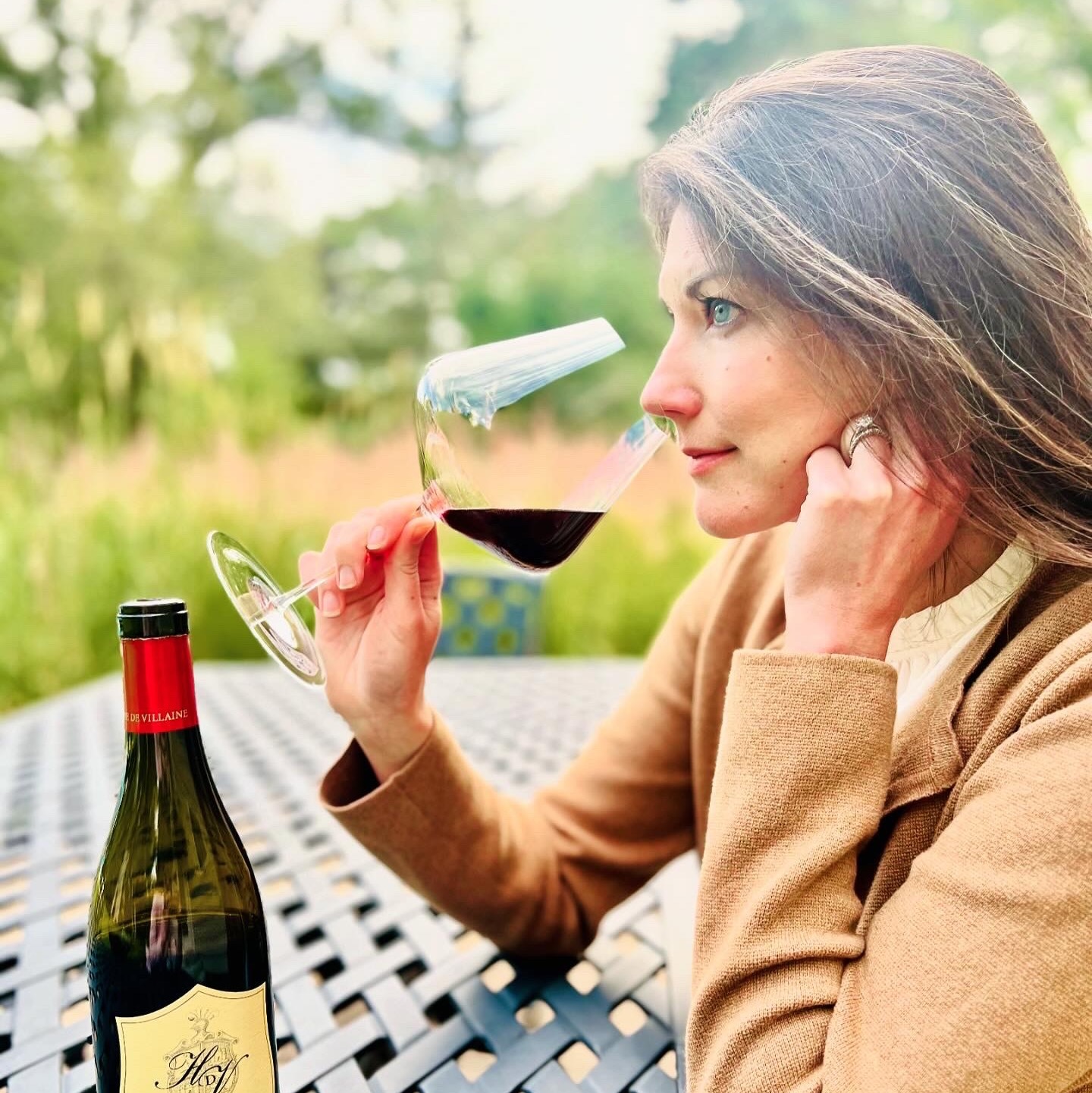
Deep ruby hue with strong tearing. Tart red and black fruit, such as blackberry, fig, and plum, espresso, peat, pipe tobacco, dark baking spice, wet stone conjuring an image of the galets blanketing the earth at the base of the vines. Chewy tannins and tart black fruit on the palate. Noticeable heat. Grenache-based blend. Strong, bold red from Southern Rhône. ABV 14.5%. Vintage 2012. — 6 years ago

Domaine Arsac
Les Galets de la Condamine Syrah Grenache 2016

Not bad! French wine that did not give AP a headache ... buy again if I can find it. — 8 years ago
Les Beaux Galets
Red Blend
Dry but low tannins, sort of crisp with a spicy snap in the tongue. Not much aftertaste but good mouthfeel — 8 years ago
Domaine Amido
Les Galets Signargues Côtes du Rhône Villages Red Rhone Blend 2016
The signature has considerably more vegetal, lees character than the entry bottle, but cleans up the acid and controls the tannin. Some earth, but remains mostly woody and cutting, like its ungilded brethren.
Edit: Opened well. Much more fruit and surprisingly silkier body. Probably didn't give the previous bottle time to breathe. Or could be that it was waiting for stinky cheeses... — 8 years ago
Brent Hendrich
This was the white Rhône. — 7 months ago