Tri Tip
Hubert Lamy
Les Chataigners Bourgogne Blanc Chardonnay 2010

Penultimate bottle! With perennial thanks to D Beckwith for the tip. Owing to its age, it shows best from 30-90 minutes on opening. Thereafter it gets sorta wide without further revelations or complexity, but there’s a kind of mineral sweet spot with cool Japanese umami notes and I’m consistently impressed by the showing. — 8 years ago

Château Cantemerle
Haut-Médoc Red Bordeaux Blend 2012
Delicious, smooth great representative of Haut-Médoc. Went great with Burgundy wine tri tip. — 9 years ago

Caymus Vineyards
Napa Valley Cabernet Sauvignon 2014

Drank 2014 on 2/5/17. It was decanted for 2 hours. Great jammy fruit and crème caramel on the nose. The family all enjoyed it (after watching Super Bowl ) with BBQ tri-tip. — 10 years ago
Château Tronquoy-Lalande
Saint-Estèphe Red Bordeaux Blend 2005
2005 purchased at the chateau. Medium bodied but with a nice long somewhat floral finish. Unusual for a St Esteph, which usually has a more earthy profile. Medium tannins and medium bodied. Not quite enough oomph to stand up to the barbecued tri-tip we had but very nice. — 10 years ago
Domaine des Petits Quarts (Godineau)
Le Malabé Bonnezeaux Chenin Blanc 1996


Vintage 1996 - Malabé 1er tri — 10 years ago
Bedrock Wine Co.
North Coast Syrah 2014

For $19 this is pretty damn hard to beat. Intensity, great typicity, flavor to spare, and enough grip to let you know it has more than a few years of deliciosity to offer. Went great tonight with a spicy grilled tri-tip. Roasted meat flavors coming at you from all angles! — 11 years ago
Ravenswood Winery
Vintners Blend California Old Vine Zinfandel 2013

Great aroma right when you tip your nose down to take a sip. Full bodied berry taste with a spicy finish. — 11 years ago
Altovinum
Evodia Garnacha

Spanish old vine garnacha from the "mountains in Spain". Not sure if it's the same mountains of 'For Whom the Bell Tolls' by Hemingway, but in case it is, I'll tip my glass up to the Republic and the beauty of American literature. Wish I knew what it was like to have it out of a wine skin! Obscenity in the milk, yes! #bookishwine — 12 years ago
René Renou
Bonnezeaux Tri de Vendanges Chenin Blanc 1999
Interesting flavors. Kind of olive like. Crazy mouthfeel. Sweet and delicious — 12 years ago
Danza Del Sol
Sauvignon Blanc 2011

First wine of the day and it's light and fruity with the tannins and hints of grapefruit that lad on the tip of your tongue. A very light and refreshing wine. — 12 years ago
Philip Togni Vineyard
Tanbark Hill Vineyard Cabernet Sauvignon 2007
Tri tip and Tanbark — 14 years ago
Duorum
Colheita Tinto Douro Red Blend 2013
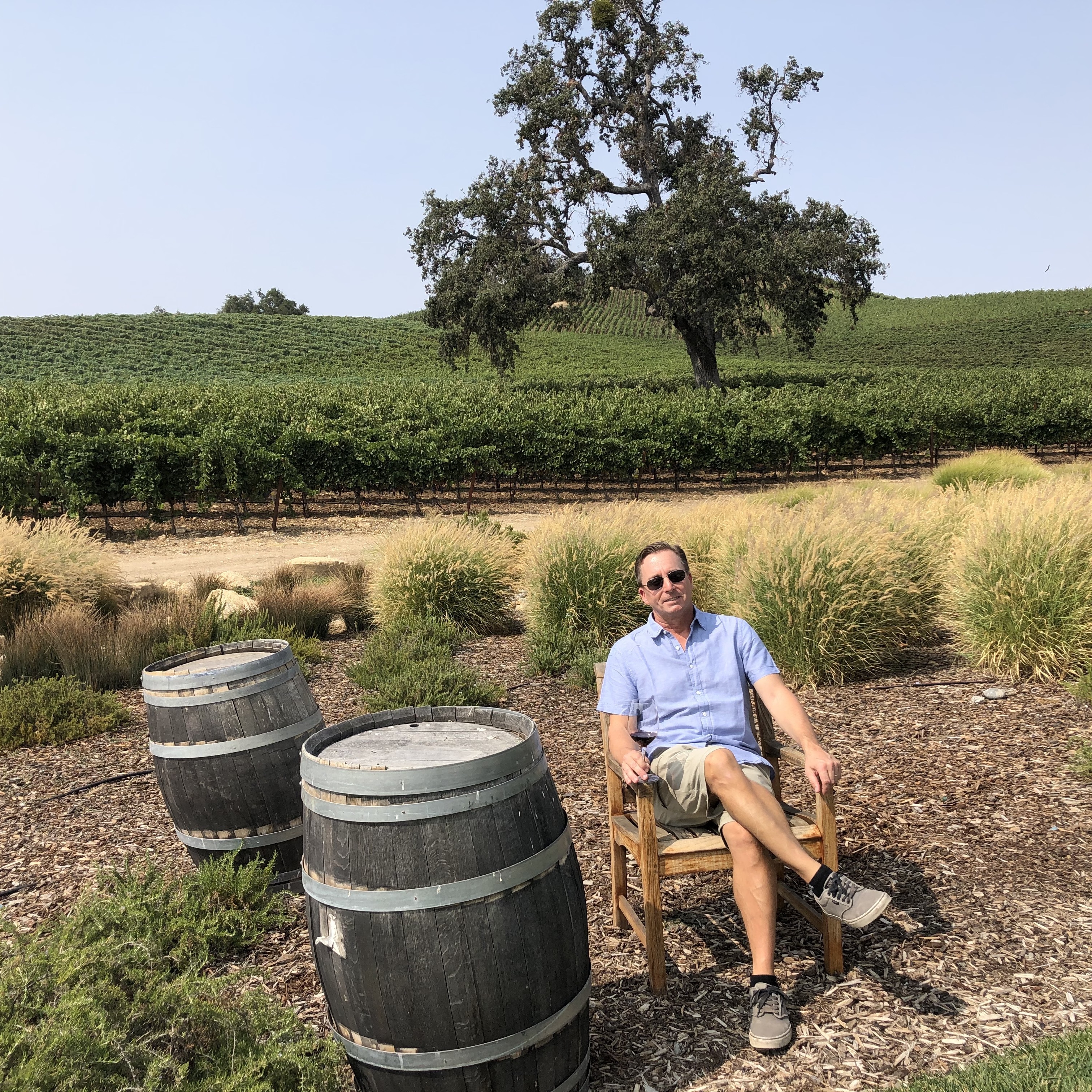
Very nice blend. Dry and mouth watering. Makes me want to have a steak right away. Rating upped to 91 after having the bottle with some burgundy tri tip. Just a really great smooth wine. Very delicious. I need to buy more. I think the rating will increase again. Amazing value too. — 8 years ago
29 & Oak
Reserve Oakville Cabernet Sauvignon 2015
Drank this with a tri-tip steak. Very good, would be even better if I’d like it age in the cellar and drank it in 2-3 years. — 9 years ago
Château Cos d'Estournel
Saint-Estèphe Red Bordeaux Blend 1991
Is there any meal better than steak (Ribeye) and well aged Claret? This is another 1991 Bordeaux experiment of mine. 1991 was a vintage with horrible frosts and a less than favorable growing season, right? A vintage critically panned. This is my 3rd recent 91 from a good producer. And again, it didn’t disappoint. Like 97 and 07, it’s better with the right bottle age than young. Magic evolution happened in the bottle way down the road. This 91 is in great form with a fair amount of life ahead of it. On the nose; a little ripe fruit funk, wonderful dark & lighter red cassis, ripe blackberries, dark cherries, poached strawberries, plums, hues of blueberries, black raspberries, dry cranberries, vanilla, light cinnamon, rich, black turned earth, cedar, soft leather, dry stones, dry top soil, notes of dry herbs and fresh & dry red flowers. The body/palate is medium, round, ripe & still fresh. The tannins nearly completely resolved. Ripe, floral fruits of; blackberries, dark cherries, poached strawberries, plums, hues of blueberries, black raspberries, dry cranberries & half cooked rhubarb. Vanilla, light cinnamon, touch of clove & nutmeg, rich, black turned earth, cedar, soft leather, dry stones, dry crushed rocks, dry top soil, notes of dry herbs, a little band-aid and fresh & dry red flowers. The acidity drips over the palate and the long, well balanced, still structured, nice tension, good length finish lasts over a minute. Again, love & appreciate the 12.5% alcohol. What a beauty with and without the steak. Next time you’re in your fine wine retail shop and see a quality producers 91 that’s been well stored, buy it and have it with a Ribeye. Photos of; their exotic Estate, Chateau interior, newer barrel room and their vines as viewed from the front of the Chateau that are across the road. Producer notes and history...Cos d’Estournel has a long distinguished history in the St. Estephe. Louis Gaspard d’Estournel, gave his name to the estate after founding in 1811. It did not take long before Cos d’Estournel became famous with wine lovers and royalty all over the world. In those early days, Cos d’Estournel did not sell through Negociants. The owner preferred selling his wine directly to his customers. In fact, Cos d’Estournel was exported to numerous countries across the globe, with a large portion of the production being sold to India. It was that connection to India that inspired much of the unique, east Indian design we see at Cos d’Estournel today. Cos d’Estournel was one of the first Bordeaux Chateaux’s to bottle, label and sell their own wine. This practice continued until the death of Louis Gaspard d’Estournel in 1852. If you’re at the property, the statue on the bench in the front courtyard is of the founder, Louis Gaspard d’Estournel. The Estate was then purchased by an owner that sold their wines on the Place de Bordeaux using the negociant system. If the Chateau was not selling their wines through the negociant system, it would never have been included in the 1855 Classification. Imagine that! So, it turned out to be a fortuitous decision. Cos d’Estournel was sold to the Charmolue family owners of the neighboring Estate of Chateau Montrose. They continued to own the estate until 1917, when it was bought by Fernand Ginestet. This purchase was the beginning of the next major step in the development of Cos d’Estournel. Decades later, the grandchildren of Fernand Ginestet, Jean-Marie Prats, Yves Prats and Bruno Prats took over ownership and management of Cos d’Estournel. In 1995, Bruno Prats sold the property to the Merlaut family, owners of the Taillan Group. The next era in the development of Cos d’Estournel took place in 2000, when Cos d’Estournel was bought by the industrious and wealthy Michel Reybier, who earned his fortune in the food industry. Michel Reybier hired the son of Bruno Prats, Jean-Guillaume Prats to manage Cos d’Estournel. Things further improved with the efforts of Jean-Guillaume Prats who helped design the most modern wine making at that time. A complete renovation of Cos d’Estournel took place in not only the wine making facilities and cellars, but in parts of the Chateau as well. While the wine making facilities are completely modern with their 100% gravity design, the outward appearance retained the original design and feeling that has always been a part of Cos d’Estournel. On October 15, 2012, Jean Guillaume Prats announced he was leaving Cos d’Estournel to join LVMH (Pichon Baron). Jean Guillaume Prats was replaced by Aymeric de Gironde. Following the departure of Aymeric de Gironde in 2017, the owner, Michel Reybier took over managing the Estate. What makes the remodel special is that the cellars of Cos d’Estournel are entirely operated by gravity. There are no pumps of any kind to force the wine. The purpose is to allow a gentleness to the wine and improve its purity and allow for the expression of their terroir. It set a new benchmark for cellars not only in the Left Bank, but in all of Bordeaux. Perhaps, the most inventive part of the cellars is the four 100 hectoliter lift tanks or wine elevators that replace the pumps used in the traditional pumping over and the racking off processes, which introduce air and often destabilize the marc. From the moment the grapes arrive, everything travels by the flow of gravity. Jean Guillaume Prats called this process a “pumpless pump over.” The 91 hectare vineyard of Cos d’Estournel is planted to 65% Cabernet Sauvignon, 33% Merlot, 1% Cabernet Franc and 1% Petit Verdot. The vineyard is located extremely close to the border between Pauillac and Saint Estephe at the southern tip of the Saint Estephe. The Estate has very old Merlot vines as well, which date back more than 100 years. Part of the terroir is situated on the hill of Cos, which is at a high elevation for the Medoc at 20 meters. They also make a second wine called Pagodes de Cos. This is a great wine to buy in very good vintages. Especially, if your budget prohibits you from purchasing their first wine. — 9 years ago


Shafer Vineyards
One Point Five Stags Leap District Cabernet Sauvignon 2007
2007 vintage - Stupid good! Served with Tri-tip roast. Tons of dark blackberry compote and lovely integrated oak. Yummy! — 12 years ago
Niepoort Projectos
Vinho Regional Duriense Douro Pinot Noir
Nice orange acidity on the tip of the tongue. — 12 years ago
2010 vintage
Silver Springs Winery
Don Giovanni Tri-Dition Red Bordeaux Blend
Heaven in your mouth, red wine, dry but not Merlot dry... I want to swim in this wine — 12 years ago
Señorío de San Vicente
Rioja Tempranillo 2004

Dark cherry and vanilla on the nose, delish smooth silky on the tongue. Overall awesome. Better than any cash tip! — 13 years ago
Black Stallion Estate Winery
Napa Valley Cabernet Sauvignon 2014
Love Black Stallion. Great cab went extremely well with a tri-tip steak. One of my favorite all time cabs. Great finish, fruity, but still bold — 8 years ago
Chappellet
Mountain Cuvée Proprietor's Cabernet Sauvignon Blend 2015

Hey there chaps. If you're feeling chapfallen, then this mountainous cuvee could easily usher in a new chapter in your lives. One that even Monsieur Chaptal would deem a sweet choice. I tip my Chapeau to the chapt who made this Chappellet. Pairs well with Chapatties. I felt like a chapleted chaplain having ditched his chaperones and chaplaincies. Shows notes reminiscent of chaparral. So see your roving Chapman for a bottle worthy of being displayed on your chapiters! — 9 years ago
V. Sattui Winery
Morisoli Vineyard Cabernet Sauvignon

Very good and mellow. Being a '96 vintage it has lost a bit of flavor. But with Tri-tip, garden fresh corn and feta/Italian dressing/garden fresh Roma tomatoes (well, it is my birthday) the wine is just fine. — 9 years ago
Bernard Boisson-Vadot
Bourgogne Blanc Chardonnay 2012
Vibrancy and depth with each tip of the glass. A racy freshmaker. Petrol, lemon rind and wet gravel. Very Coche-y at a fraction of the price. Credit to @romo for turning me on to this and @Max Kogod for purveying it with aplomb. — 9 years ago

Bedrock Wine Co.
Evangelho Vineyard Heritage Zinfandel Blend 2015
Dry farmed, own roots, planted in the 1890s. Old California meets the modern age. Field blend and I don't care what the grapes are. Pretty on the nose, even better in the mouth. But so young. Glad I have more. Such a delightful wine. Went great with tonight's spicy tri-tip. Thanks, Morgan! — 10 years ago
St. Francis Winery
Sonoma County "Old Vines" Zinfandel 2012

Deep ruby red. Cherry and vanilla tastes on tip of tongue. Raspberry? Tobacco in back of throat? Pepper? — 10 years ago
Belle Glos
Meiomi Pinot Noir 2013

Bright acidity. More raspberry than cherry on the nose. Tannins stick primarily to the tip of the tongue and dies quickly at the back. — 11 years ago
Joseph Phelps Vineyards
Insignia Estate Grown Napa Valley Cabernet Sauvignon Blend 2004

Delicious. Perfume is Californian. Dark red fruits, hints of chocolate and some tobacco, but it's new world. Layers of fruit that are smooth and seamless. Long long finish. Just wonderful; doesn't hurt to have with a Kobe beef marinated tri tip grilled medium rare. — 11 years ago
Erich Salomon/Undhof
Wachtberg Erste Lage Grüner Veltliner

With light freshness and subtle fragrance from early spring mowing, the wine lies on the tongue tip like a mild kitty. The long and lingering finish carries exceptional and totally unexpected tannins. Well worth it's price. — 12 years ago
Long Shadows Vintners
Feather Cabernet Sauvignon 2011
Made by the great randy Dunn the grapes for this wine are sourced from the wahluke slope and tri cities this wine is a more elegant style of Cabernet Sauvignon and even has a bit of Brett medicinal cigar box spice and some herbs and milk chocolate notes. A very fresh and elegant wine with currant and plum fruit with some of that cigar box spice and fresh earth. Finish 45+ most excellent — 12 years ago
C.R. Sandidge
Tri*Umph Red Bordeaux Blend 2008

Black cherry, blackberry and vanilla. Very well balanced with a medium finish. — 13 years ago
Kristin the Wine Girl
This bottle maybe be crying one solitary tear, but I cheer for depth of berry body and the complex velvet mouthfeel. Tip tip, hooray! — 8 years ago